In today’s fast-paced software development landscape, choosing the right architecture is just as crucial as selecting the best DevOps tools. The debate between microservices and monolithic architecture represents a fundamental shift in how we build, deploy, and scale applications. This comprehensive guide explores how modern DevOps tools can accelerate deployment while ensuring safety, regardless of your architectural choice.
Understanding the relationship between DevOps practices and architectural patterns is essential for any organization aiming to deliver software faster and more reliably. Whether you’re building a startup MVP or scaling an enterprise system, the tools you choose must align with your architectural decisions to maximize efficiency and minimize risk.
Understanding the Core Concepts: Microservices vs Monolithic Architecture
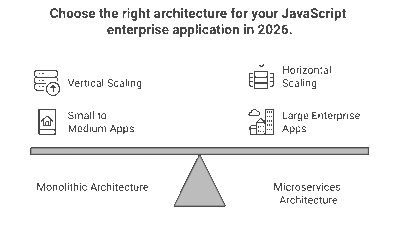
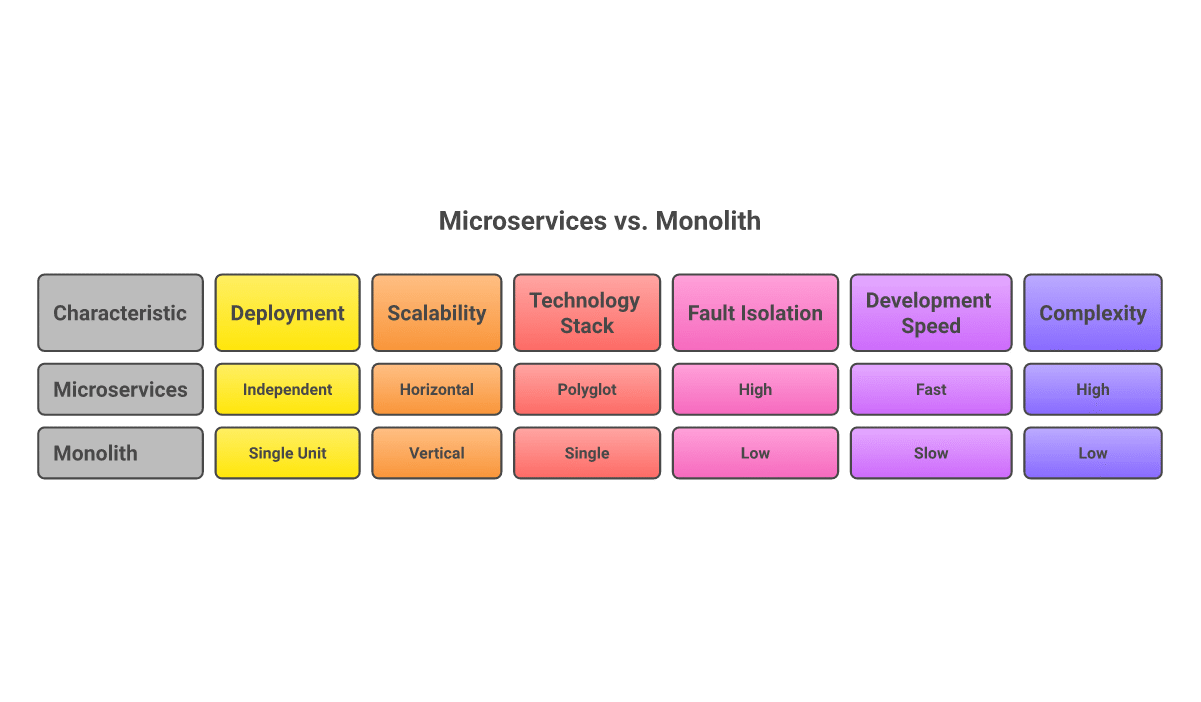
Before diving into DevOps tools, let’s clarify these two architectural approaches. Monolithic architecture refers to a single, unified codebase where all application components are tightly coupled and deployed together. This traditional approach has served the industry well for decades, offering simplicity in development and deployment.
Microservices architecture, on the other hand, breaks applications into smaller, independent services that communicate through APIs. Each service focuses on a specific business capability and can be developed, deployed, and scaled independently. This distributed systems architecture enables greater flexibility but introduces complexity in coordination and management.
DevOps Tools for Monolithic Architecture Deployment
For monolithic applications, DevOps tools focus on streamlining the traditional deployment pipeline. Continuous Integration/Continuous Deployment (CI/CD) tools like Jenkins, CircleCI, and GitLab CI excel in this environment. These tools handle building, testing, and deploying the entire application as a single unit.
Configuration management tools like Ansible, Chef, and Puppet help maintain consistent environments across development, testing, and production. Containerization with Docker simplifies packaging and deployment, while orchestration tools like Docker Compose manage multi-container applications.
Monitoring monolithic applications benefits from comprehensive solutions like New Relic, Datadog, or Splunk that provide holistic visibility into application performance. The key advantage here is centralized management and simpler debugging, as all components reside in the same codebase and runtime environment.
DevOps Tools for Microservices Architecture Deployment
Microservices architecture demands a more sophisticated DevOps toolchain. Container orchestration becomes essential, with Kubernetes emerging as the industry standard for managing containerized microservices. Service mesh technologies like Istio and Linkerd handle service-to-service communication, security, and observability.
CI/CD pipelines for microservices require specialized approaches. Tools like Spinnaker and ArgoCD support progressive delivery strategies like canary deployments and blue-green deployments, crucial for minimizing risk in distributed systems. Each microservice typically has its own pipeline, enabling independent deployment cycles.
Observability in microservices architecture requires distributed tracing tools like Jaeger or Zipkin, log aggregation with ELK Stack (Elasticsearch, Logstash, Kibana), and metrics collection with Prometheus and Grafana. These tools help navigate the complexity of debugging across multiple independent services.
Top 4 DevOps Tools for Scalable Software Architecture
1. Kubernetes:
The leading container orchestration platform is essential for managing microservices at scale. Use cases include automated deployment, scaling, and management of containerized applications. Pros: Extensive ecosystem, strong community support. Cons: Steep learning curve. Notable users: Google, Spotify, Airbnb.
2. Docker:
Containerization platform that packages applications and dependencies. Essential for both architectures but particularly crucial for microservices. Pros: Portability, consistency across environments. Cons: Security considerations in multi-tenant environments. Notable users: PayPal, ADP, Visa.
3. Jenkins:
Open-source automation server for CI/CD pipelines. Excellent for monolithic applications and can be adapted for microservices. Pros: Extensive plugin ecosystem, mature platform. Cons: Requires significant maintenance. Notable users: Netflix, LinkedIn, eBay.
4. Terraform:
Infrastructure as Code tool for provisioning and managing cloud resources. Critical for both architectures but especially valuable for microservices’ dynamic infrastructure needs. Pros: Multi-cloud support, declarative configuration. Cons: State management complexity. Notable users: Uber, Slack, Coinbase.
Choosing the Right Architecture and Tools: A Decision Framework
Selecting between microservices and monolithic architecture depends on several factors. For startups and small teams building simple applications, monolithic architecture often provides faster time-to-market with simpler DevOps requirements. The reduced complexity means you can focus on product development rather than infrastructure management.
Microservices architecture shines when you need independent scaling of components, have multiple teams working on different features, or require technology diversity across services. However, this comes with increased operational complexity and requires more sophisticated DevOps expertise.
Consider these questions: How large is your team? What’s your deployment frequency? Do you need independent scaling of components? What’s your team’s experience with distributed systems? The answers will guide your architectural choice and subsequent tool selection.
For hybrid approaches, consider starting with a modular monolith that can evolve into microservices as needed. This allows you to benefit from microservices’ advantages while managing complexity growth. Tools like Docker and Kubernetes support both approaches, providing flexibility as your architecture evolves.
Implementation Strategies for Enterprise System Architecture
Enterprise adoption requires careful planning. Start with a proof-of-concept using a non-critical service to validate your toolchain choices. Implement infrastructure as code from day one using Terraform or CloudFormation to ensure reproducibility and version control.
Establish clear standards for logging, monitoring, and security across all services. In microservices environments, implement service discovery and API gateways early to manage service communication effectively. Consider using service mesh technology as your microservices ecosystem grows beyond a handful of services.
For monolithic applications in enterprise settings, focus on modularization and clear separation of concerns. This prepares your codebase for potential future migration to microservices while maintaining current operational simplicity. Implement comprehensive testing strategies and canary deployments to reduce deployment risk.